Designing Kaldun
Synopsis
“Why the Dwarves in this setting are depicted as brutalist logisticians protecting surface ventilation shafts.”
AUTHOR'S NOTES // J. LEGÊNE
When it came time to introduce Dwarves into the world of Ardynia, I wanted to avoid the tired trope of the jolly, beer-drinking, subterranean blacksmiths who forge glowing magic swords in cavernous, gold-lined halls.
I wanted them to feel fundamentally alien and entirely practical.
Enter Kaldun: The Iron Root.
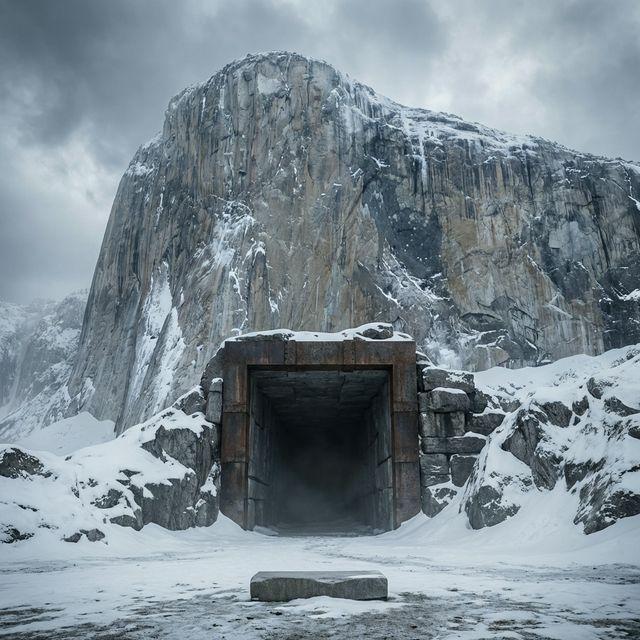
Kaldun is defined by its absolute lack of romance. The "Black Gate" carries no ancient runes, no massive statues. It is a monolithic block cut directly into the granite, designed aggressively to bear weight, not to impress. It's a logistical threshold, not a cultural statement.
The Dwarves of Kaldun don't invite guests for feasts; they process transactions on a stone slab outside the door. Their political stance regarding the neighboring human settlement of Halmar's Clearing is purely symbiotic and completely unsentimental. They didn't defend the humans during the raids out of nobility or comradeship; they defended the Clearing because it acts as a buffer zone for their surface water intakes and ventilation shafts.
They are, at their core, brutalist logisticians.
The most terrifying thing about the Dwarves of Kaldun isn't their martial prowess; it's their patience. Their tactical doctrine in the event of a total surface collapse isn't a glorious last stand. It's simply to retreat inside, seal the blast doors, and wait a century or two for the humans to die off.
By stripping away the typical fantasy warmth, Kaldun becomes a much more imposing presence on the map—an immovable anchor thinking in geological time while the surface kingdoms squabble over borders.
Sealed Dispatch
Receive The Beginnings of Lucien Glacisse — delivered to your inbox.
Sign up for the Chronicle and receive this PDF origin story — including The Ice Beneath, chapter three of Grace in Reflection, which covers the Mirrorlake Incident in full.